RPG Dice Coaster: Laser Cutting for Home Decor
As a digital publisher who spends hours tweaking blog layouts and optimizing click-through rates, I approach every new graphic design asset with a critical eye. It isn't just about whether an image looks pretty; it is about whether it performs. Does it stop the scroll? Does it convey authority? Does it fit the narrative arc of the content? Recently, I evaluated the RPG Dice Coaster Laser Cut Cup Coaster for potential integration into a niche gaming lifestyle site. My goal was to determine if this piece could transcend its function as a physical object and serve as a powerful visual anchor for editorial design and content marketing.
First Impressions and Editorial Mood
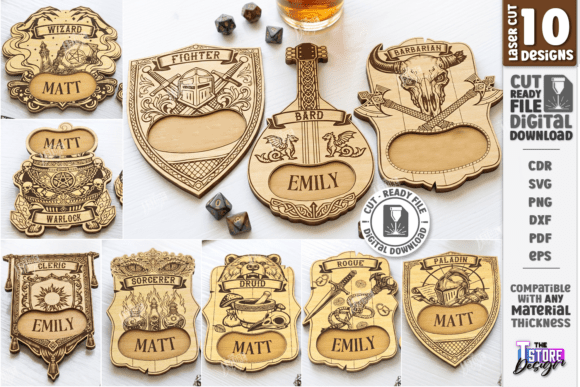
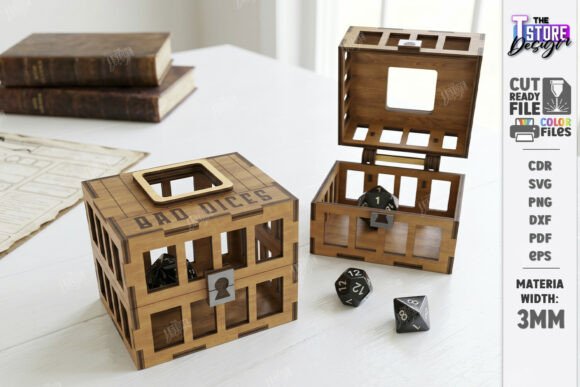
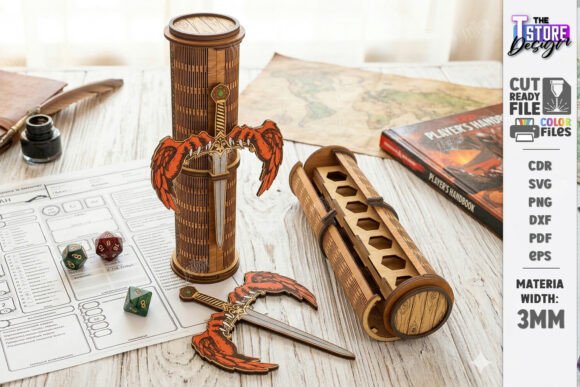
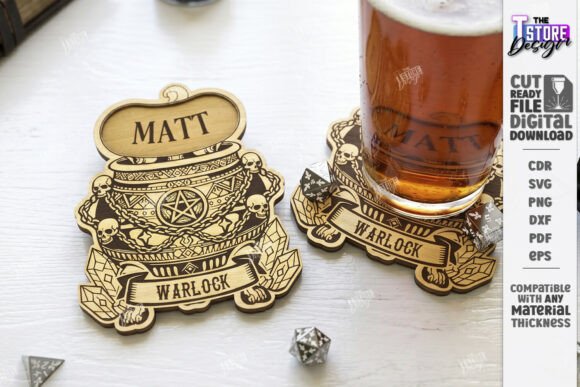
The initial impact of the RPG Dice Coaster Laser Cut Cup Coaster is defined by its intricate geometry and the tactile warmth of 3mm plywood. In the context of web design, this translates to a visual texture that feels both organic and precise. The laser engraving creates high-contrast details that mimic the complexity of dungeon maps or character sheets, instantly signaling a specific niche: tabletop gaming, fantasy literature, and creative hobbies.
This asset creates a mood that is playful yet sophisticated. It avoids the childish aesthetic often associated with gaming, leaning instead into a "maker" culture vibe that appeals to adult hobbyists. For a blog focused on Home Decor within the geek space, this is gold. It suggests a lifestyle where gaming is not hidden away but displayed proudly as part of the interior design. The natural wood grain combined with the sharp, burnt edges of the Laser Cutting process provides a rustic-modern aesthetic that pairs beautifully with serif fonts and earthy color palettes.
Integrating into Real Publishing Workflows
When planning a content calendar, versatility is key. I envision using imagery of this coaster across multiple touchpoints in a publishing workflow. For blog graphics, a flat-lay photograph of the coaster surrounded by polyhedral dice and a leather-bound journal makes for an irresistible featured image. It sets the stage for articles reviewing new TTRPG systems or discussing table setup etiquette.
For Pinterest pin strategies, the circular symmetry of the coaster works exceptionally well. It can be centered with bold typography overlaying the negative space, promoting guides like "10 Essentials for Your First DND Session." Because the design is distinct, it aids in brand identity; followers will begin to recognize this specific visual style as part of our publication's signature look.
Beyond social media, this asset shines in digital product creation. Imagine a digital guide or lead magnet titled "The Ultimate Game Master's Toolkit." The coaster image could serve as the cover art for the PDF or as a decorative element within the pages, breaking up text and adding visual interest. For affiliate marketers, featuring this item in a "Gift Guide for Gamers" post allows for high-quality visuals that drive engagement. The tangible nature of the object helps readers visualize the purchase, increasing the likelihood of conversion compared to generic stock photography.
Boosting Content Performance and Trust
In the crowded landscape of online content, visual hierarchy is everything. Using a unique, high-quality image like the RPG Dice Coaster Laser Cut Cup Coaster establishes immediate credibility. It tells the reader that the publisher cares about details and aesthetics. This perception of quality transfers to the written content, fostering reader trust.
Furthermore, consistent use of such assets strengthens small business branding. If a newsletter header consistently features stylized photography of gaming accessories like this coaster, it creates a cohesive visual identity. Readers start to associate that specific look with valuable insights and curated recommendations. This consistency improves category recognition, making it easier for users to navigate the site and find relevant affiliate marketing content or educational resources.
Strategic Placement and Usage
To maximize impact, this design asset works best in areas where it can breathe. Hero images on landing pages are ideal, allowing the intricate laser details to be seen clearly. It also excels as a category thumbnail for sections dedicated to "Tabletop Accessories" or "Geek Chic Decor." In editorial layouts, it serves as a perfect accent beside pull quotes or sidebars, adding texture without overwhelming the text.
However, caution is required. On small mobile thumbnails, the fine lines of the laser engraving might blur, losing their definition. It should be avoided in text-heavy blog images where the background pattern could compete with the headline, reducing readability. Additionally, for very serious professional niches—such as corporate finance or medical advice—this playful, thematic asset would feel out of place and could undermine the tone of authority required for those topics.
Practical Notes for Publishers and Designers
Before deploying this asset across your website header or social media graphics, rigorous testing is essential. Preview the image on both desktop and mobile screens to ensure the contrast holds up. Test how it looks when paired with different typography styles; I found it complements handwritten fonts for a personal touch and bold sans-serifs for a modern feel. Always check the file size; high-resolution photos of wood textures can be heavy, so compress images properly to maintain fast load times, which is crucial for SEO.
Finally, verify the licensing. If you are using photographs of this item for commercial design purposes, such as in a paid Canva template or a sold printable design, confirm you have the appropriate commercial license. Whether sourcing from a creative marketplace or creating the content yourself, ensuring legal compliance protects your business. When used correctly, the RPG Dice Coaster Laser Cut Cup Coaster is more than just a drink protector; it is a versatile tool for elevating the visual standard of your digital publications.