Reviewing the DND Health Point Tracker for Craft Projects
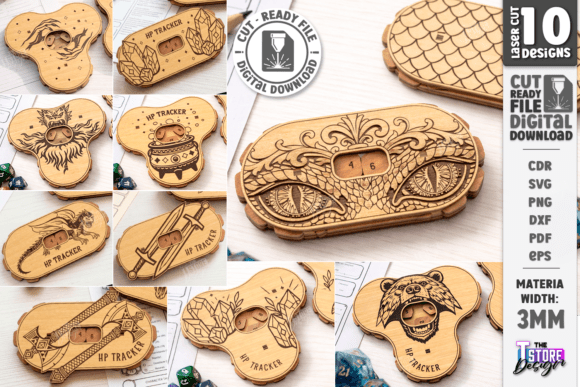
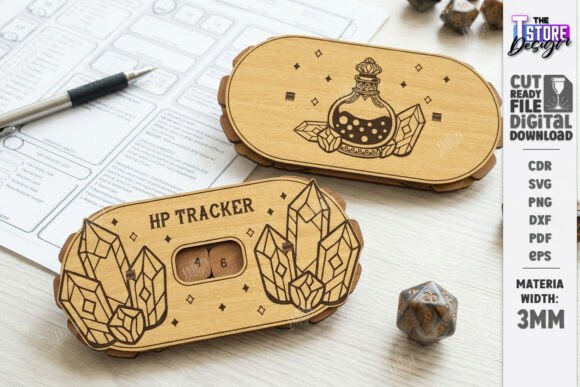
As a designer who spends most of my life staring at stitch maps and vector paths, I approach every new asset with a mix of excitement and skepticism. When I first pulled up the DND Health Point Tracker Laser Cut HP, my initial reaction was one of curiosity regarding its intended medium. The product metadata clearly categorizes this under Laser Cutting within the Art Amp collection, describing it as a CNC plan and Glowforge file for tabletop RPG accessories. However, in the world of creative entrepreneurship, we often look for ways to cross-pollinate ideas. Could this digital geometry translate into a machine embroidery design for custom apparel or a boutique product? Let's break down how this fantasy gaming math tool holds up when viewed through the lens of an embroidery professional preparing for real-world production.
Visual Personality and Design Mood
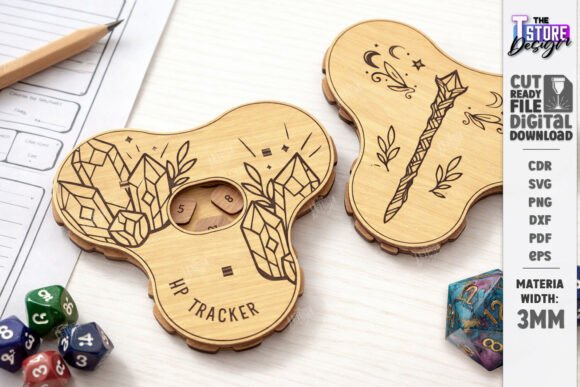
The first thing that strikes you about the DND Health Point Tracker Laser Cut HP is its utilitarian yet fantastical aesthetic. It carries the distinct mood of a dungeon master's toolkit—functional, precise, and steeped in the lore of dragon and warrior themes. Visually, the layout suggests a series of segmented tracks or counters, likely designed to be cut from wood or acrylic. For an embroiderer, this geometric structure presents an interesting challenge. The clean lines and repetitive nature of the "health points" mimic the rhythm of a satin stitch border or a structured fill stitch pattern. If you were to adapt this concept for thread, the visual personality screams "gamer chic," making it a perfect candidate for niche markets like Etsy seller shops specializing in geek culture or small shop product lines focused on hobbyist gear.
Adapting Laser Vectors for Thread
It is crucial to address the elephant in the room immediately: this specific file is engineered for lasers, not needles. A digital embroidery file requires specific stitch types like running stitch for outlines and careful density management to prevent puckering, whereas a laser file is purely vector geometry. However, the design logic here is sound enough to serve as a robust reference for creating a custom embroidery project. If you are a craft business owner looking to expand your catalog, you might use this laser template to create a physical patch base, which you then embellish with embroidery, or simply use the visual layout to digitize a new applique design from scratch. The segmentation of the health tracker offers natural stopping points for color changes, allowing for dynamic thread colors that represent different character classes or damage states.
Real-World Application Scenarios
Let's imagine a concrete scenario. You run a small online store selling personalized gift items for tabletop gamers. A client approaches you wanting a high-end tote bag design to carry their dice and rulebooks. While you cannot directly stitch the DND Health Point Tracker Laser Cut HP file onto fabric without digitizing it first, the concept is gold. You could digitize a simplified version of the tracker as a sweatshirt embroidery motif. Imagine a charcoal grey hoodie with a vibrant red and green track stitched across the chest, allowing the wearer to visually "track" their coffee intake or daily steps in a gamified way. This bridges the gap between the original Laser Cutting intent and wearable art.
Another viable avenue is the creation of an embroidered patch. Patches are forgiving regarding stitch density because they are often backed with heavy stabilizer and removed from the hoop before application. You could take the geometric essence of the Dragon and Warrior themes found in the description and create a merit-badge style patch. This finished product would appeal heavily to the commercial embroidery market, specifically for uniforms of game store staff or merchandise for local gaming conventions. The key here is recognizing that while the source file is for CNC machines, the idea translates perfectly to thread work if handled by a skilled digitizer.
Fabric Considerations and Technical Challenges
If you decide to recreate this tracker concept in thread, you must be vigilant about your material choices. The intricate nature of a "counter" or "tracker" implies small details. On textured fabrics like heavy canvas or loopback fleece, fine details can get lost. I would recommend testing this on a smooth, tight-weave cotton or a high-quality polyester blend commonly used for custom apparel. If you attempt this on stretchy fabric like a jersey t-shirt, the horizontal lines of the health tracker could distort significantly during wear unless you use a cut-away stabilizer that provides permanent support.
Furthermore, consider the hoop size constraints. A full health tracker might be long and narrow. If your machine has a standard 4x4 hoop, you might need to break the design into sections or rotate the layout vertically. For caps or curved surfaces, the rigidity of the tracker design might cause bridging issues if the stitches span too far without underlay. Always inspect small details; tiny lettering often accompanying RPG tools can turn into a muddy mess if the stitch density is too high or the thread weight is too thick. A test run on scrap fabric is non-negotiable here. Check how the design looks in both light and dark fabric texture environments to ensure your thread color contrast is sufficient for readability.
Value Proposition for Makers and Sellers
Why go through the trouble of adapting a laser file concept for embroidery? Because uniqueness drives sales. In a saturated market of generic holiday embroidery and standard monograms, offering a specialized baby embroidery item that tracks "nap time" using a DND-style interface, or a kitchen towel that tracks "meals cooked," adds a layer of wit and customization that customers love. It enhances brand consistency if your shop focuses on nerd-culture aesthetics. The perceived value of a handmade product that feels tailored to a specific subculture is significantly higher than a mass-produced item.
Moreover, using the DND Health Point Tracker Laser Cut HP as inspiration demonstrates professionalism. It shows potential clients that you understand their hobbies and can translate complex concepts into tangible goods. Whether you are creating printable mockup images for your online listings or staging photos for a craft fair booth, the visual story of a "life tracker" resonates deeply with the target demographic. It builds customer trust because it shows attention to detail and cultural relevance.
Final Designer Notes and Best Practices
Before you commit to producing these items for your Etsy listings or client orders, keep a few practical notes in mind. First, verify the licensing. Since the original file is a digital download intended for laser cutting, you must confirm if the creator allows derivative works or commercial use of the design concept in other mediums. Do not assume that purchasing the laser file grants rights to sell embroidered versions of the exact same geometry. Second, if you are digitizing this yourself, pay close attention to pull compensation. Long straight lines, common in trackers, tend to pull inward; you may need to adjust your stitch angles or add micro-stepping to maintain straight edges.
Finally, think about the end user's experience. Will this finished product withstand frequent washing? If it's a tote bag or apron, durability is key. Ensure your satin columns are wide enough to cover the fabric but not so dense that they become stiff and uncomfortable. Test your design assets in black and white mockups first to check for clarity without relying on color. By treating the DND Health Point Tracker Laser Cut HP not just as a file, but as a design prompt, you unlock a world of creative possibilities that bridge the gap between laser craftsmanship and the tactile warmth of embroidery. This approach ensures your small business merchandise stands out with both technical precision and artistic flair.