Pixel Art Cat Clipart: Graphics & Illustrations
As a digital publisher who has spent years refining the visual identity of multiple content sites, I approach every new graphic design asset with a critical eye. It is not enough for an image to be cute; it must serve a functional purpose within a broader editorial strategy. When I first opened the Pixel Art Cat Clipart Collection, I was immediately struck by its specific nostalgic energy. This isn't just a random set of drawings; it is a curated suite of retro-gaming aesthetics that feels surprisingly versatile for modern web design.
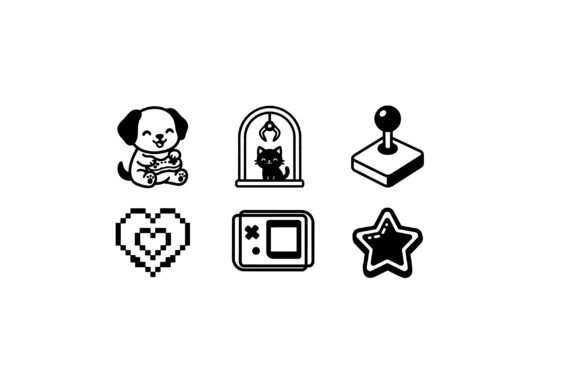
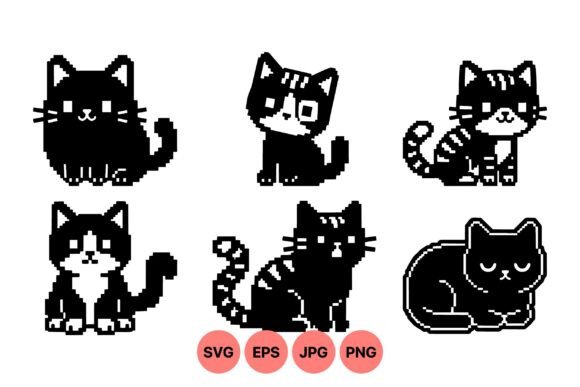
The collection features six distinct monochrome kittens, each captured in a unique pose and facial expression. The style is unmistakably 8-bit, evoking the charm of early console games while maintaining a clean, sharp edge suitable for high-resolution screens. For bloggers and content creators, this offers a delightful departure from the overused flat vector illustrations that dominate the current creative marketplace. The monochrome palette is particularly strategic; it allows these graphics to integrate seamlessly into almost any color scheme without clashing, making them an ideal choice for small business branding that needs flexibility.
Elevating Editorial Mood and Reader Perception
In the world of content marketing, the "vibe" of your visuals dictates how long a reader stays on your page. These illustrations create a mood that is playful yet structured. They signal to the audience that your brand doesn't take itself too seriously, fostering a sense of approachability and warmth. This is crucial for niches like lifestyle blogging, indie game reviews, creative writing platforms, or educational sites targeting younger demographics.
However, the utility of this asset goes beyond mere decoration. Because the kittens are rendered in black and white, they provide excellent contrast against colored backgrounds. This supports a stronger visual hierarchy, allowing you to guide the reader's eye toward key headlines or call-to-action buttons. When used correctly, these graphics can transform a sterile text-heavy article into an engaging narrative experience, improving reader trust by showing that care was put into the presentation.
Real-World Publishing Workflows
Let's talk about practical application. If you are managing a content calendar, you know the struggle of creating consistent visuals for every post. This ZIP folder is a goldmine for rapid deployment across various channels. Here is how I would integrate these assets into a real publishing workflow:
- Pinterest Pins: The vertical nature of many blog graphics works well here. You can place a pixel cat beside bold typography to create a pin that stands out in a crowded feed.
- Newsletter Headers: Break up the monotony of email text with a charming kitten mascot that becomes synonymous with your weekly updates.
- Digital Guides and eBooks: Use the different poses as chapter markers or section dividers in your lead magnets to keep the layout dynamic.
- Social Media Graphics: Perfect for Instagram stories or Twitter headers where a touch of personality can increase engagement rates.
- Affiliate Content Visuals: Soften the sales pitch in affiliate marketing posts by using these friendly characters to frame product recommendations.
For those building a Canva template kit for clients, these elements add a layer of custom flair that generic stock photos cannot match. They function beautifully as printable design elements for stickers or planner inserts, expanding the potential revenue streams for digital product creators.
Optimizing for Performance and Brand Identity
The ultimate goal of any website header or article thumbnail is to drive clicks. A cohesive brand identity relies on repetition, and having a set of six matching characters allows you to create a recognizable visual language. Imagine using a specific cat pose for all your "Tips" articles and another for "Reviews." Over time, your regular readers will associate those specific pixels with specific types of value, leading to better category recognition.
Furthermore, the retro style taps into a current trend of "cozy web design." It suggests a human touch in an increasingly AI-generated landscape. This authenticity can significantly boost click-through potential, as users are drawn to content that feels crafted rather than assembled by an algorithm.
Strategic Placement and Limitations
While these design assets are powerful, they must be used with intention. They shine brightest as hero images, article thumbnails, and editorial accents. They are perfect for content upgrades and downloadable resources where a fun, informal tone is appropriate.
However, caution is advised when deploying them in serious professional niches. If you are running a corporate finance blog or a legal advice site, the playful nature of pixel art might undermine your authority. Additionally, be mindful of low-contrast backgrounds. Since the cats are monochrome, placing them on a dark gray or busy patterned background could render them invisible. Always test your blog graphics on both desktop and mobile screens to ensure the details of the pixel art remain crisp on smaller devices.
Technical Notes for Publishers
Before integrating this digital download into your monetized websites, there are several technical checks you should perform. First, review the file size. While pixel art is generally lightweight, ensure you compress the images properly for web performance to avoid slowing down your page load times.
Typography pairing is also essential. These retro graphics pair exceptionally well with serif fonts for a classic editorial look, or chunky sans-serif fonts for a modern gaming vibe. Avoid overly delicate script fonts that might get lost next to the blocky pixels. Test the images beside your standard headline styles to ensure the visual weight is balanced.
Finally, and most importantly, confirm the commercial license terms. As an experienced publisher, I never assume usage rights. Ensure that the license covers use in affiliate marketing, paid content products, and client work if you are a designer. Once verified, this collection becomes a safe, high-value addition to your creative toolkit.
In conclusion, the Pixel Art Cat Clipart Collection is more than just a set of cute images; it is a strategic tool for enhancing editorial design. Whether you are sprucing up a social media graphics queue or designing a comprehensive digital guide, these illustrations offer the perfect blend of nostalgia and functionality. By leveraging their monochrome versatility and retro charm, you can create a more engaging, trustworthy, and visually distinct presence in the crowded digital space.