Earring Card Display Stencil: Graphics for Watches Amp
As a digital publisher who has spent years refining the visual identity of multiple content sites, I approach every new graphic design asset with a critical eye. It is not enough for an image to be pretty; it must perform. When I first opened the files for the Earring Card Display Stencil, my immediate thought was about its potential to elevate editorial design within the jewelry and accessories niche. This asset does not just sit on a page; it creates a mood. It feels distinctly lifestyle-focused, blending a modern design aesthetic with a touch of artisanal charm that resonates deeply with readers looking for curated style advice.
The first impression is one of clarity and professionalism. In the world of content marketing, reader trust is built on consistency and polish. A sloppy graphic can undermine even the best-written article. The Earring Card Display Stencil offers a clean, structured look that suggests authority. It supports content that needs to appear clickable and high-value, making it an ideal candidate for bloggers, affiliate marketers, and small business owners who need to present products in the best possible light. Whether you are running a fashion blog or a broader lifestyle publication under a category like Watches Amp, this type of visual precision helps establish a stronger visual identity.
Integrating the Asset into Real Publishing Workflows
The true test of any digital download is its versatility in a real-world workflow. I immediately envisioned how the Earring Card Display Stencil could transform a standard blog post into a comprehensive visual experience. For instance, when preparing blog graphics for a review of handmade jewelry, this stencil serves as the perfect foundation for featured images. It provides a consistent frame that makes disparate product photos look like part of a cohesive collection.
Beyond the blog roll, this asset shines in social media graphics. Imagine creating a series of Pinterest pins where each pin uses the stencil to highlight a different pair of earrings. The uniformity creates better category recognition, allowing followers to instantly identify your content in a crowded feed. It is equally effective for newsletter headers, adding a splash of creative design to email campaigns without overwhelming the text. For those creating digital guides or eBooks on starting a jewelry business, this stencil can be used to design professional-looking worksheets or printable designs that serve as valuable lead magnets.
The flexibility extends to affiliate marketing visuals as well. When promoting products, having a custom Canva template base that includes this stencil allows you to create unique ad creatives that stand out from generic manufacturer images. It turns a simple product shot into a branded piece of commercial design, increasing the likelihood of clicks and conversions.
Technical Versatility and File Formats
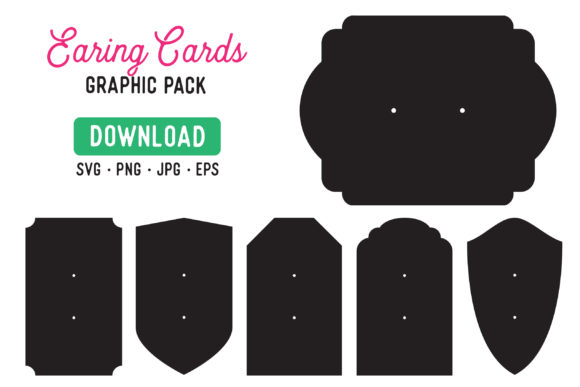
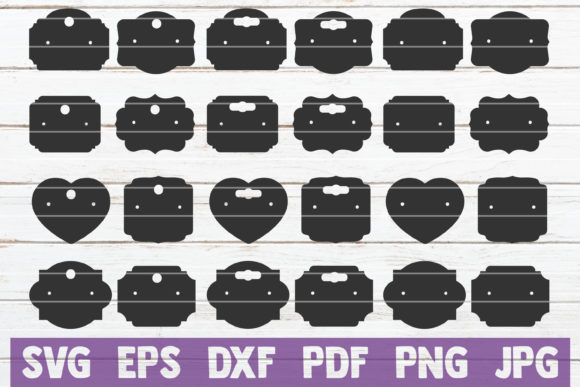
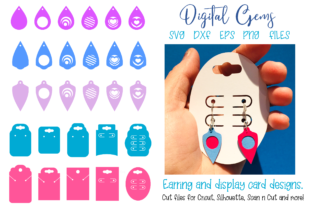
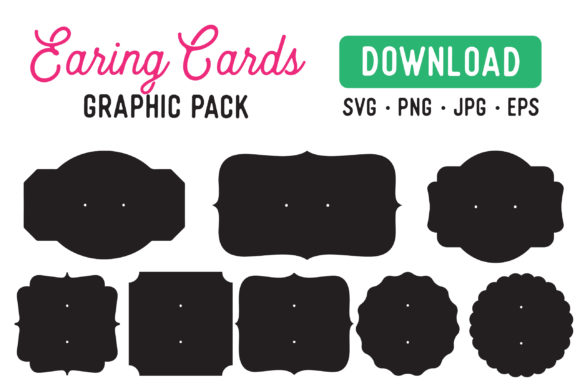
From a technical standpoint, the value of this package lies in its comprehensive file support. You are not limited to a single format; instead, you receive a robust suite including eight SVG files, eight JPGs, eight PNGs, and eight EPS files. This variety is crucial for a publisher. The SVG and EPS files are vector-based, meaning they can be scaled infinitely for large website header banners or printed media kits without losing quality. The PNG files, likely featuring transparent backgrounds, are perfect for overlaying onto colored sections of a web page or placing directly over photography in web design projects. The JPGs offer ready-to-use options for quick social media posts where speed is essential.
This range of formats ensures that the Earring Card Display Stencil integrates seamlessly into various software ecosystems, from professional tools like Adobe Illustrator to user-friendly platforms like Canva. It supports the creation of everything from intricate printable design elements for physical packaging to crisp digital assets for mobile apps.
Impact on Content Performance and Visual Hierarchy
Incorporating this asset directly influences key performance metrics. A strong first impression is vital for reducing bounce rates. By using the Earring Card Display Stencil to create a clear visual hierarchy, you guide the reader's eye naturally through the content. The stencil acts as a focal point, drawing attention to the product while maintaining a balanced composition. This leads to better click-through potential on both internal links and external affiliate offers.
Furthermore, consistent use of such design assets improves brand identity. When readers see the same high-quality stylistic elements across your Pinterest pin boards, blog thumbnails, and Instagram stories, they begin to associate that level of quality with your brand. This builds reader trust, which is the currency of the modern web. It signals that you care about the details, encouraging users to engage more deeply with your content.
Strategic Placement and Usage Cautions
While powerful, this asset works best in specific contexts. It is ideal for hero images, article thumbnails, and dedicated product showcase sections. It excels as an editorial accent in downloadable resources and category visuals. However, caution is advised when using it in small mobile thumbnails where intricate details might get lost. It should also be used carefully on text-heavy blog images; the stencil should complement the headline, not compete with it. Avoid placing it on low-contrast backgrounds or within busy layouts where it might confuse the viewer. Additionally, for very serious professional niches or corporate content that requires a strictly minimal visual system, this decorative element might feel too ornate.
Practical Notes for Publishers and Designers
Before deploying the Earring Card Display Stencil across your monetized websites or paid content products, there are several practical steps to take. First, test the asset on both desktop and mobile screens to ensure it scales correctly. Check how it looks as a thumbnail in a sidebar or feed. Preview it inside your actual blog layout to see how it interacts with your theme's whitespace.
Typography pairing is another critical factor. Experiment by placing the stencil beside serif fonts for a classic look, sans serif fonts for modernity, or script and handwritten fonts for a personal touch. Always check contrast and readability, especially if you plan to overlay text. Try rendering the design in black and white to ensure it holds up without color dependency. Finally, review the file sizes to ensure they do not slow down your page load times, and compress images properly for web performance. Most importantly, confirm the commercial license terms to ensure you are compliant when using these graphics for small business branding or on affiliate pages.
In conclusion, the Earring Card Display Stencil is more than just a decorative element; it is a strategic tool for enhancing editorial quality. By providing a polished, professional framework for presenting jewelry and accessories, it empowers creators to produce content that looks expensive, feels trustworthy, and performs better in the competitive landscape of digital publishing.