Dice Catapult Laser Cut RPG Games SVG Review
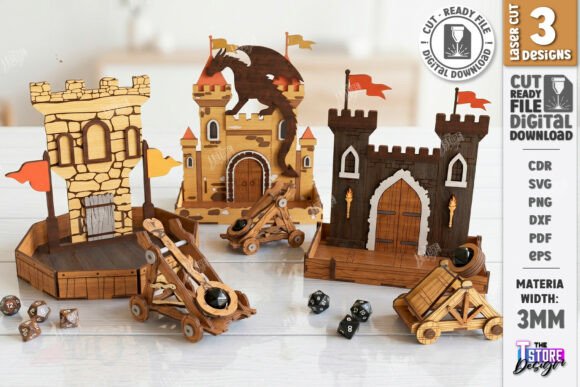
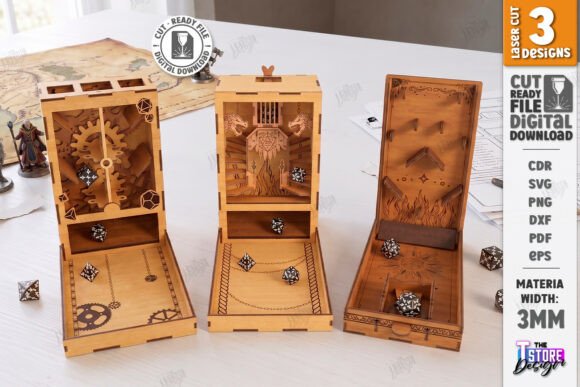
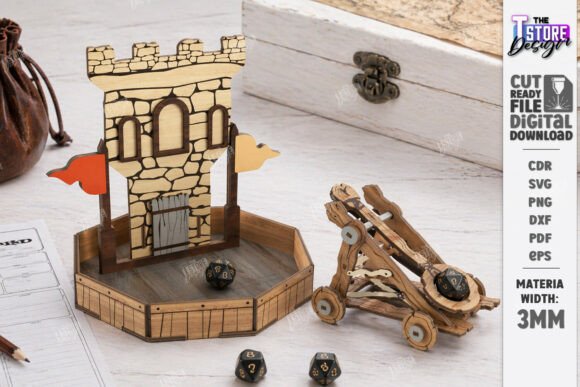
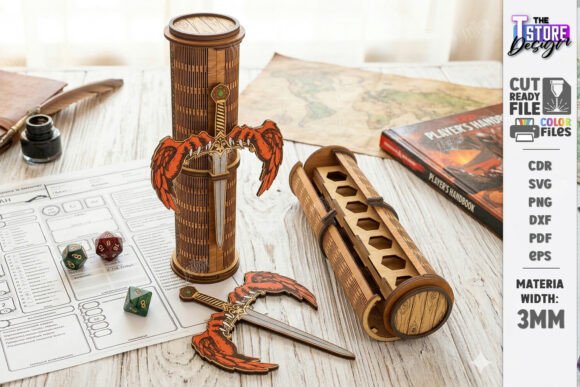
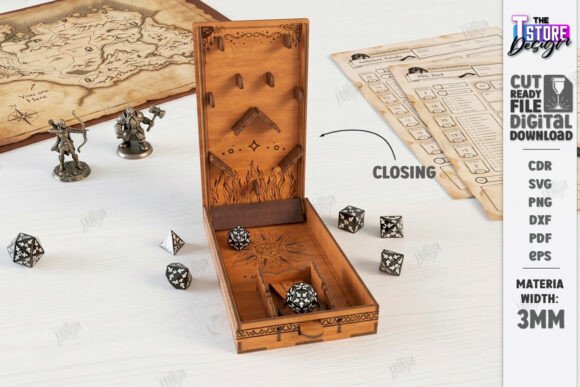
As a designer who spends more time staring at stitch simulations than actual screens, I approach every new machine embroidery design with a mix of curiosity and skepticism. When I first pulled up the Dice Catapult Laser Cut RPG Games SVG, my initial reaction wasn't about the digital vectors themselves, but rather how this specific aesthetic translates from a laser-cut wood concept to thread on fabric. The source material describes a medieval siege engine, a dragon castle decor piece, and a functional dice tower alternative. That is a lot of visual personality to pack into an embroidery project. For us Etsy sellers and craft business owners, the challenge is always taking a design meant for one medium—in this case, Laser Cutting within the Toys Amp category—and adapting it so it doesn't look like a flat graphic slapped onto a shirt.
Visual Impact and Design Personality
The first thing that strikes me about this design is its bold, structural nature. Unlike a soft, flowing floral motif, a catapult implies tension, mechanics, and geometry. In a real-world scenario, imagine you are preparing a custom order for a local tabletop gaming group. They want matching sweatshirt embroidery for their weekly dungeon crawl. This design shines here because it carries a sense of action. The "siege engine" theme creates a mood of adventure and strategy. However, because the original concept relies on the negative space of laser-cut wood, we have to be incredibly careful with our stitch density. If we fill every nook and cranny with satin or fill stitches, we risk losing the mechanical definition that makes a catapult recognizable. The visual appeal lies in the balance between the solid structures of the tower and the open spaces where the dice would theoretically fly.
For a handmade product like a tote bag or a heavy canvas apron, this design offers a fantastic opportunity to play with texture. The "dragon castle" elements mentioned in the description suggest organic curves meeting rigid engineering lines. When digitizing or selecting the right embroidery file settings, I would lean towards using a combination of satin stitch for the outlines and borders to give that crisp, cut-out look, while using a lighter fill stitch for the larger body sections. This prevents the design from becoming a stiff plastic-like patch on the fabric, which is a common complaint from customers who want their custom apparel to remain wearable and soft.
Real-World Application Scenarios
Let's get practical about where this actually works. I recently considered using a similar thematic design for a line of personalized gift items targeting the D&D community. A tote bag design featuring this catapult would be perfect for carrying rulebooks and dice bags. The sturdy nature of the imagery complements the durability of canvas tote bags. Furthermore, for holiday embroidery gifts, perhaps for a Dungeon Master who loves medieval history, this could be stitched onto a high-quality kitchen towel or a throw pillow cover. The key is context; this isn't a subtle background pattern. It is a statement piece.
If you are running a small shop product line, consider the scale. On a baby embroidery item, like a onesie, you must significantly reduce the complexity. The intricate details of a "medieval siege engine" can easily turn into a muddy blob if the hoop size is too small or the stitch count is too high for tiny fabric areas. In contrast, on a adult-sized hoodie or a backpack, you have the real estate to let the details breathe. For commercial embroidery projects, consistency is king. If you are selling these as design assets or finished goods, ensure that the thread colors you choose evoke the right era—perhaps earthy browns, stone grays, and deep dragon greens—rather than neon brights that might clash with the medieval vibe.
Navigating Technical Challenges
There are specific areas where the Dice Catapult Laser Cut RPG Games SVG requires caution. The description mentions "detailed corners" and complex shapes typical of laser models. In embroidery, sharp internal corners are notorious for thread bunching if not underlaid correctly. If you are stitching this on stretchy fabric like a jersey t-shirt, the pull of the threads can distort the straight lines of the catapult arm, making it look warped. Always use a high-quality stabilizer, possibly a cut-away for garments that will see frequent washing.
Another consideration is the hoop size. While the prompt doesn't specify exact dimensions, designs with wide spans (like a catapult arm extended) often require a larger hoop or a split-stitching approach if your machine has limitations. Do not attempt to force a wide design into a small 4x4 hoop without checking the scaling first; you will lose the resolution. Additionally, if you are applying this to curved surfaces like caps, the center of the design needs to be reinforced. The front panel of a cap is unforgiving, and dense stitch areas can cause the fabric to pucker, ruining the sleek look of the hat.
Maximizing Value and Professionalism
Ultimately, the success of this design in your portfolio comes down to execution. A well-stitched version of this catapult signals to your customer that you understand their niche. It builds customer trust because it shows you didn't just grab a generic clip-art file; you thought about how the "dice tower" concept translates to thread. For printable mockup creation, ensure your digital previews accurately represent the texture of the stitches. Misleading mockups lead to disappointed buyers.
Before committing to a production run or listing this as a digital embroidery file for others to use, you must verify the licensing terms. The source description implies it is a model for laser cutting, so ensure you have the rights to adapt it for embroidery and sell the finished product. Never assume a file bought for one purpose covers another. Test the design on scrap fabric first. Check the fabric texture interaction; does it sink into a fluffy towel, or does it sit proudly on a twill? These observations define the difference between a hobbyist attempt and a professional boutique branding asset.
In conclusion, the Dice Catapult Laser Cut RPG Games SVG holds immense potential for the right creator. It bridges the gap between tabletop gaming culture and wearable art. By respecting the technical limits of embroidery machines and understanding the aesthetic roots of the design, you can create standout items that resonate with gamers and collectors alike. Whether it's an embroidered patch for a jacket or a central motif on a blanket, treat the design with the precision of a master craftsman, and it will reward you with a stunning finished product.